

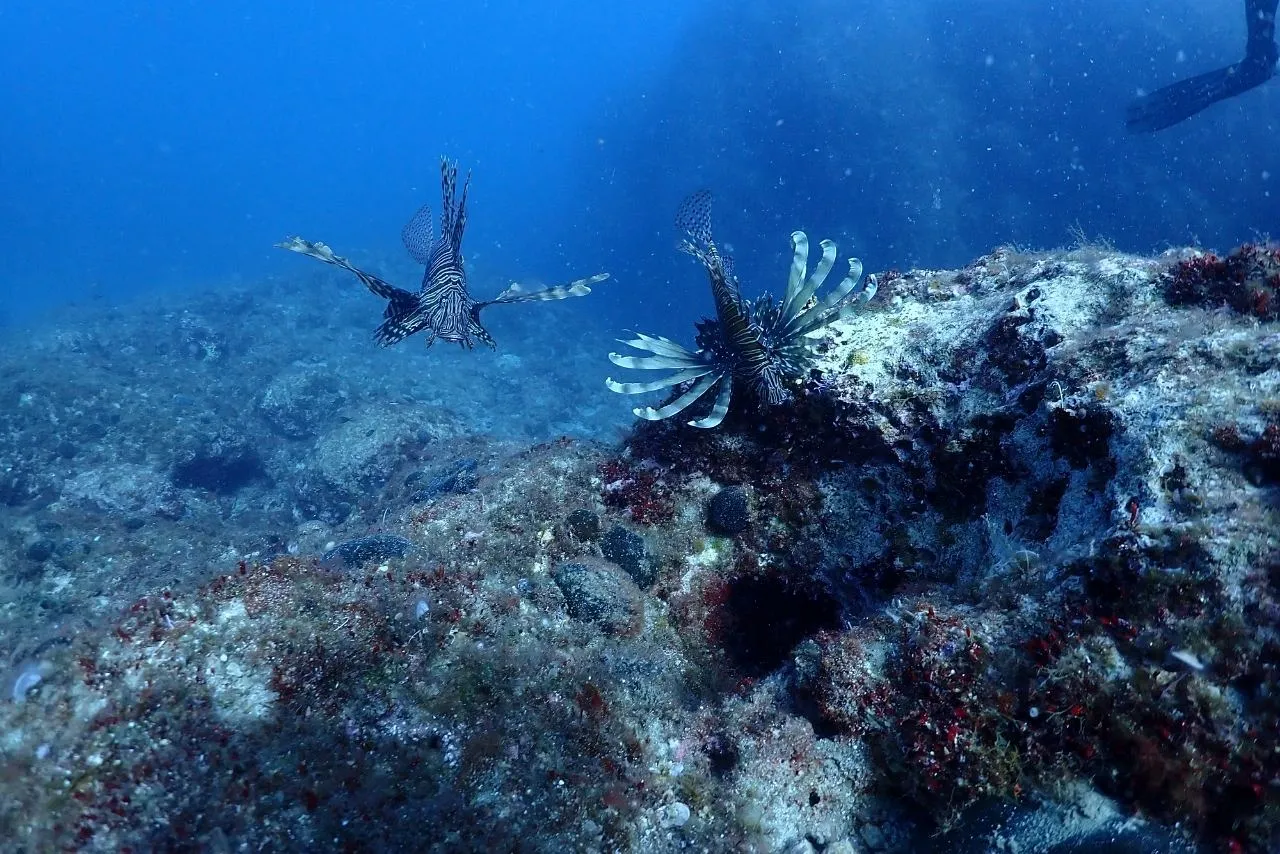
One of the biggest reasons divers return to Crete year after year is its incredible underwater world. Beneath the crystal-clear waters of the Mediterranean lies a diverse ecosystem filled with fascinating marine life, dramatic rock formations, underwater caves, and colorful reefs waiting to be explored.
Whether you’re trying scuba diving for the first time or you’re an experienced certified diver, every dive offers the opportunity to discover something new. From curious octopuses hiding among the rocks to graceful sea turtles gliding through open water, the marine life in Crete makes every underwater adventure unique.
The waters around Chania are home to hundreds of Mediterranean species, many of which thrive in the area’s healthy reefs, caves, and rocky coastlines. While the Mediterranean Sea is different from tropical destinations like the Red Sea or the Maldives, it offers its own remarkable biodiversity and unforgettable diving experiences.
In this guide, you’ll discover the most common marine animals you can encounter while scuba diving in Crete, where you’re most likely to see them, and how responsible divers can help protect this incredible underwater environment.
Why Is Marine Life in Crete So Special?
Crete sits at the crossroads of Europe, Asia, and Africa, creating a unique marine ecosystem that supports an impressive variety of species.
The island’s coastline features:
underwater caves
rocky reefs
vertical walls
seagrass meadows
sheltered bays
deep blue drop-offs
These different habitats provide ideal conditions for many forms of marine life.
The clear water and relatively low levels of pollution also make Chania one of the best places in Greece to observe Mediterranean sea life while diving.
Unlike coral reef destinations, the beauty of diving in Crete comes from its dramatic underwater landscapes combined with fascinating marine species that have adapted to this environment over thousands of years.
What Marine Life Can You Expect to See?
Every dive is different, and no professional dive center can guarantee sightings of specific animals. However, several species are commonly encountered around Chania throughout the diving season.
The most frequently seen marine life includes:
octopus
moray eels
sea bream
groupers
damselfish
wrasse
nudibranchs
starfish
sea urchins
barracuda
Occasionally, lucky divers may also encounter:
loggerhead sea turtles
dolphins
larger pelagic fish
The diversity of marine life is one of the reasons certified divers enjoy returning to the same dive sites throughout the year.
Octopus: Crete’s Master of Camouflage
Few marine animals capture divers’ attention like the octopus.
Highly intelligent and incredibly skilled at camouflage, octopuses can change both their color and texture within seconds to blend perfectly into the surrounding rocks.
Many divers swim past one without even realizing it’s there.
If you look carefully around rocky reefs or inside small crevices, you may notice an octopus watching you with curious eyes before disappearing into its hiding place.
Although naturally shy, octopuses are fascinating to observe because of their:
intelligence
problem-solving abilities
smooth movements
ability to change color instantly
One of the most rewarding moments during a dive is quietly watching an octopus emerge from its shelter as it becomes comfortable with your presence.
Moray Eels: Mysterious but Misunderstood
Moray eels often surprise first-time divers.
At first glance, they may appear intimidating because they are frequently seen with their mouths open.
In reality, this is completely normal.
Moray eels continuously open and close their mouths to move water across their gills so they can breathe.
They spend much of their time hidden inside rocky crevices with only their heads visible.
Morays are generally shy animals and rarely leave their shelters unless hunting at night.
Divers who remain calm and avoid disturbing them can safely observe these fascinating predators from a respectful distance.
The waters around Chania are home to several species of moray eel, making them one of the signature animals of Mediterranean diving.
Groupers: Gentle Giants of the Mediterranean
Groupers are among the largest fish that recreational divers regularly encounter in Crete.
These impressive fish often appear curious rather than frightened.
Adult groupers may slowly approach divers before calmly swimming away into deeper water.
Because they grow slowly and can live for many years, larger groupers are an encouraging sign of a healthy marine ecosystem.
Seeing one during a dive is always memorable.
Colorful Reef Fish Everywhere You Look
Although the Mediterranean is not known for tropical coral reefs, its rocky habitats support a surprising variety of colorful fish.
During almost every dive in Chania you are likely to see:
damselfish
painted comber
rainbow wrasse
ornate wrasse
saddled seabream
two-banded seabream
These fish move constantly around the reefs, creating vibrant underwater scenes.
For beginner divers, watching schools of fish swimming around rocky formations is often the highlight of their first scuba experience.
Nudibranchs: Tiny Underwater Treasures
Not all marine life in Crete is large.
Some of the most beautiful creatures are also the smallest.
Nudibranchs, often called sea slugs, are colorful soft-bodied mollusks that are especially popular with underwater photographers.
Their vibrant colors and unusual shapes make them one of the Mediterranean’s hidden gems.
Finding one requires patience and a careful eye, but experienced guides know where these tiny creatures are commonly found.
If you enjoy underwater macro photography, Crete offers excellent opportunities to photograph several fascinating nudibranch species.
Can You See Sea Turtles in Crete?
Yes, although sightings are never guaranteed.
The loggerhead sea turtle (Caretta caretta) is one of the most iconic marine animals in Greece.
These protected turtles occasionally visit the waters around Chania while feeding or migrating.
Encountering one underwater is a truly unforgettable experience.
Professional divers understand the importance of giving sea turtles plenty of space and avoiding any behavior that could cause stress.
Watching a turtle glide effortlessly through the Mediterranean is one of those moments that stays with divers forever.
Starfish, Sea Urchins and Hidden Reef Life
Some of the most interesting marine life is easy to overlook.
The rocky seabed around Chania is home to:
red starfish
sea urchins
tube worms
sea cucumbers
sponges
small crustaceans
These animals play an important role in maintaining healthy marine ecosystems.
They also provide excellent opportunities for underwater photography, particularly for divers who enjoy observing small details rather than larger fish.
Marine Life Around Elephant Cave
Elephant Cave is famous for its spectacular cave chamber and prehistoric elephant fossils, but the surrounding waters are also rich in marine life.
Divers exploring the area often encounter:
octopus
moray eels
schools of sea bream
colorful wrasse
nudibranchs
starfish
The rocky walls surrounding the cave provide ideal shelter for many Mediterranean species.
Combined with exceptional underwater visibility and dramatic light entering the cave, Elephant Cave offers one of the most rewarding wildlife diving experiences in Crete.
Why Responsible Diving Matters
Every diver plays an important role in protecting the Mediterranean Sea.
Marine life is surprisingly sensitive to human behavior, and even small actions can have long-term effects.
Responsible divers should always:
maintain good buoyancy
avoid touching marine animals
never feed fish
avoid collecting shells or souvenirs
respect underwater habitats
follow their guide’s instructions
By practicing responsible diving, we help ensure that future generations can enjoy the same incredible marine life that makes diving in Crete so special.
Best Time of Year to See Marine Life in Crete
One of the great advantages of diving in Crete is that marine life can be observed throughout the diving season. However, each season offers slightly different experiences.
Spring (April to June)
Spring is an excellent time for underwater photography. The sea is becoming warmer, visibility is often outstanding, and many species become more active after winter.
Divers can enjoy:
- excellent visibility
- fewer boats and divers
- active octopus
- colorful nudibranchs
- calm sea conditions
Spring is ideal for photographers who want to capture marine life without the crowds.
Summer (July to August)
Summer is the busiest diving season in Chania.
The warm water attracts thousands of visitors, while stable weather conditions create excellent diving opportunities.
During summer, divers regularly encounter:
- schools of sea bream
- wrasse
- groupers
- octopus
- moray eels
Long daylight hours also allow dive centers to visit a wider variety of dive sites.
Autumn (September to November)
Many experienced divers consider autumn the best season for scuba diving in Crete.
The sea remains warm after the summer, visibility is excellent, and tourist numbers begin to decrease.
These conditions often create some of the most enjoyable dives of the year.
Large fish are frequently more active, and underwater photography conditions are exceptional.
Rare Marine Encounters
Although uncommon, some lucky divers experience unforgettable wildlife encounters.
Occasionally, divers may see:
- loggerhead sea turtles
- dolphins
- large barracuda schools
- amberjack
- tuna passing through deeper water
These encounters are never guaranteed, which makes them even more special.
Professional dive guides never chase or disturb wildlife, allowing natural behavior to continue uninterrupted.
Responsible diving always comes before getting the perfect photograph.
Underwater Photography Tips
The rich marine life of Crete makes it an excellent destination for underwater photography.
Whether you’re using an action camera or a professional underwater housing, a few simple techniques can greatly improve your photos.
Move Slowly
Quick movements often scare fish away.
Swimming slowly allows marine life to remain relaxed around you.
Keep Good Buoyancy
Good buoyancy helps you remain stable while taking photographs without damaging the reef or disturbing marine animals.
Don’t Chase Wildlife
Patience almost always produces better photographs than trying to swim after fish.
Many species become curious if divers remain calm and still.
Respect Nature
Never move animals into better positions for photographs.
Ethical underwater photography helps protect the marine environment while creating authentic images.
Conservation of Marine Life in Crete
The Mediterranean Sea is one of the world’s most important marine ecosystems, but it also faces environmental challenges.
Professional dive centers play an important role in protecting this environment through:
- responsible diving practices
- environmental education
- underwater clean-up events
- marine conservation awareness
- supporting sustainable tourism
Visitors can also contribute by choosing environmentally responsible dive operators and respecting marine life during every dive.
Small actions make a significant difference over time.
Why Marine Life Makes Every Dive Different
Even if you visit the same dive site multiple times, no two dives are ever exactly the same.
Marine life constantly changes.
Fish move between reefs.
Octopuses choose new hiding places.
Visibility changes with weather conditions.
Different seasons attract different species.
This unpredictability is one of the reasons experienced divers never become bored with the underwater world.
Every dive offers the possibility of discovering something you have never seen before.
Why Chania Is One of Greece’s Best Diving Destinations
The waters around Chania combine several factors that make them ideal for recreational scuba diving:
- healthy Mediterranean ecosystems
- dramatic underwater caves
- excellent visibility
- diverse marine life
- professional dive centers
- calm sea conditions
Whether you’re completing your first dive or exploring advanced dive sites as a certified diver, the marine life of Crete provides an unforgettable experience.
Many visitors initially come for the scenery but return because of the incredible underwater world waiting beneath the surface.
(Internal Link: Certified Divers)
What marine animals can you see while diving in Crete?
Common sightings include octopus, moray eels, groupers, sea bream, wrasse, nudibranchs, starfish, sea urchins, and occasionally loggerhead sea turtles.
Can you see sea turtles in Chania?
Yes. Loggerhead sea turtles occasionally visit the waters around Chania, although sightings cannot be guaranteed.
Is the Mediterranean Sea good for scuba diving?
Absolutely.
While different from tropical reefs, the Mediterranean offers fascinating marine life, exceptional visibility, underwater caves, and dramatic rocky landscapes.
Are there sharks in Crete?
Several shark species live in the Mediterranean Sea, but encounters with divers are extremely rare.
The species occasionally found around Greece generally avoid human interaction and are not considered a concern for recreational divers.
When is the best time to see marine life in Crete?
Marine life can be observed throughout the diving season.
Many divers consider May, June, September, and October to offer the best balance of warm water, excellent visibility, and fewer crowds.
Can beginners enjoy the marine life in Crete?
Yes.
Even beginner dive sites around Chania are home to a wide variety of Mediterranean fish and other fascinating marine species.
Discover Crete’s Underwater World with Blue Adventures
Every dive in Crete tells a different story.
One day you may quietly watch an octopus emerge from its rocky shelter. On another dive, you could encounter a curious grouper, photograph colorful nudibranchs, or simply enjoy schools of shimmering fish swimming through crystal-clear water.
The beauty of scuba diving in Chania isn’t only found in famous dive sites like Elephant Cave or Cathedral Cave. It’s also found in the incredible diversity of marine life that calls the Mediterranean home.
Whether you’re taking your very first breath underwater or you’re an experienced certified diver looking for new adventures, Crete offers unforgettable wildlife encounters beneath the surface.
Join Blue Adventures and discover why the underwater world of Chania continues to inspire divers from around the globe.
Ready to explore the marine life of Crete?