

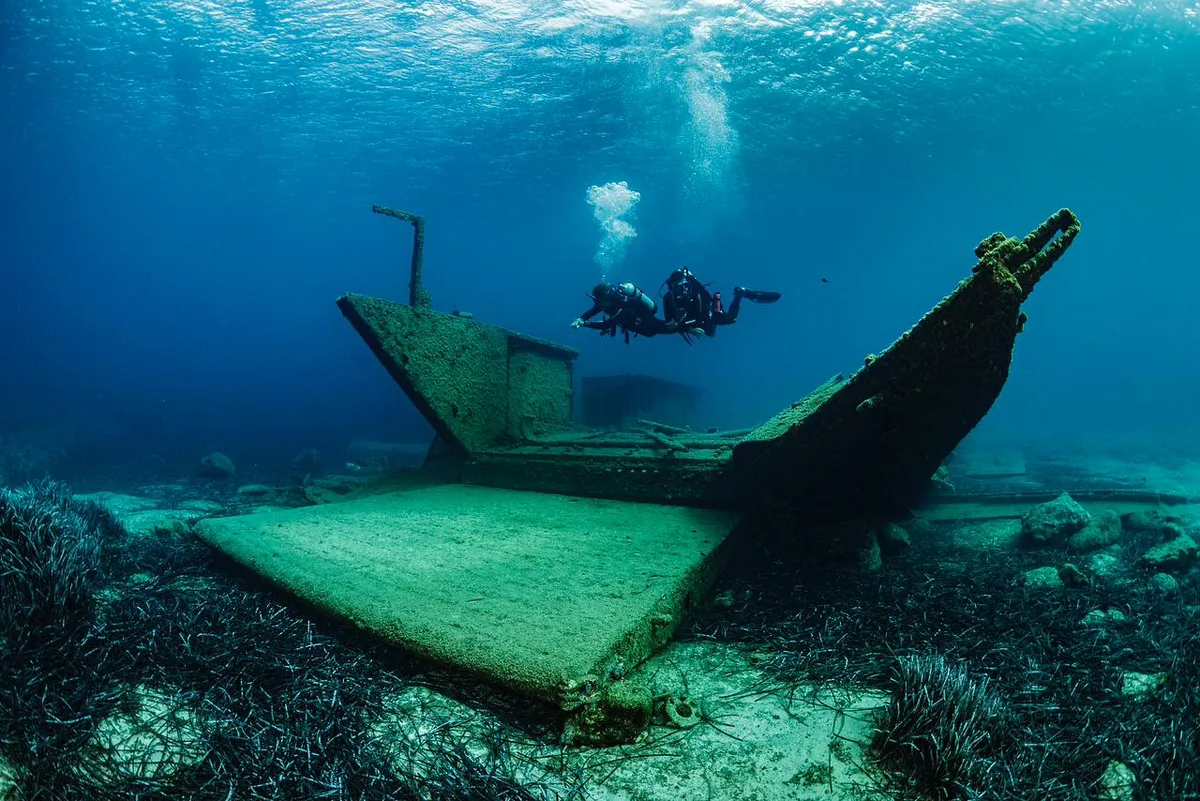
Scuba diving may look adventurous from the surface, but modern beginner diving experiences are designed to be safe, controlled, and beginner-friendly. In Crete, especially around Chania, first-time divers can safely explore the underwater world with certified instructors, calm Mediterranean conditions, and internationally recognized safety standards.
If you are considering your first scuba diving experience in Crete, understanding how beginner dives work can help you feel more confident before entering the water.
In this guide, you will learn:
- how beginner scuba diving works
- why Crete is ideal for first-time divers
- what safety procedures are used
- common beginner concerns
- what to expect during your first dive in Chania
Is Scuba Diving Safe for Beginners?
Yes, scuba diving is considered very safe for beginners when conducted with professional instructors and proper safety procedures.
Most first-time scuba diving experiences in Crete are conducted through Discover Scuba Diving programs or beginner introductory dives. These experiences are specifically designed for people with no previous diving certification.
Before entering the water:
- instructors explain all safety procedures
- equipment is checked carefully
- beginners practice basic skills
- dives remain shallow and controlled
- instructors stay close throughout the dive
Modern diving equipment, professional training standards, and calm Mediterranean conditions make Crete one of the best places in Europe for beginner scuba diving.
Why Crete Is One of the Best Places for Beginner Scuba Diving
Calm Mediterranean Conditions
The sea around Chania is often calm during the diving season. Visibility is usually excellent, and warm water conditions make beginner dives more comfortable.
Many beginner dive sites feature:
- gentle entry points
- low currents
- shallow underwater areas
- gradual depth changes
These conditions help reduce stress for first-time divers.
Excellent Underwater Visibility
One reason beginners enjoy diving in Crete is the clear water visibility.
Good visibility helps:
- beginners feel less anxious
- instructors communicate more easily
- divers stay oriented underwater
- marine life become easier to observe
Visibility in Chania often ranges from 15 to 30 meters depending on weather conditions and dive site selection.
Professional Dive Centers
Professional dive centers in Crete follow international safety standards such as:
- PADI
- DAN Europe recommendations
- equipment maintenance protocols
- instructor-to-student safety ratios
Choosing an experienced dive center is one of the most important parts of a safe beginner diving experience.
Ready to Try Your First Dive in Chania?
Discover the underwater world of Crete safely with experienced PADI professionals and beginner-friendly dive sites.
What Happens During a Beginner Scuba Diving Experience?
One of the biggest fears beginners have comes from uncertainty. Understanding the process helps reduce anxiety significantly.
Step 1: Safety Briefing
Before entering the water, your instructor explains:
- how the equipment works
- underwater communication signals
- breathing techniques
- equalizing pressure
- basic underwater safety rules
The briefing is designed specifically for beginners.
You do not need previous experience.
Step 2: Equipment Setup
Your instructor helps prepare:
- mask
- fins
- buoyancy control device
- regulator
- wetsuit
- oxygen tank
Modern scuba equipment is designed to be reliable and beginner-friendly.
Professional dive centers also perform regular maintenance checks on all diving equipment.
Step 3: Shallow Water Practice
Before the actual dive begins, beginners practice a few simple skills in shallow water.
This may include:
- breathing underwater
- clearing the mask
- regulator recovery
- equalizing ears
This practice session helps beginners become comfortable before descending.
Step 4: Guided Dive
The actual dive is:
- slow
- controlled
- shallow
- supervised at all times
Instructors stay close to beginners throughout the experience.
Typical beginner dive depths are usually between 5 to 12 meters.
This depth range allows beginners to enjoy the underwater environment safely without technical complexity.

Scuba diving may look adventurous from the surface, but modern beginner diving experiences are designed to be safe, controlled, and beginner-friendly. In Crete, especially around Chania, first-time divers can safely explore the underwater world with certified instructors, calm Mediterranean conditions, and internationally recognized safety standards.
If you are considering your first scuba diving experience in Crete, understanding how beginner dives work can help you feel more confident before entering the water.
In this guide, you will learn:
- how beginner scuba diving works
- why Crete is ideal for first-time divers
- what safety procedures are used
- common beginner concerns
- what to expect during your first dive in Chania
Is Scuba Diving Safe for Beginners?
Yes, scuba diving is considered very safe for beginners when conducted with professional instructors and proper safety procedures.
Most first-time scuba diving experiences in Crete are conducted through Discover Scuba Diving programs or beginner introductory dives. These experiences are specifically designed for people with no previous diving certification.
Before entering the water:
- instructors explain all safety procedures
- equipment is checked carefully
- beginners practice basic skills
- dives remain shallow and controlled
- instructors stay close throughout the dive
Modern diving equipment, professional training standards, and calm Mediterranean conditions make Crete one of the best places in Europe for beginner scuba diving.
Why Crete Is One of the Best Places for Beginner Scuba Diving
Calm Mediterranean Conditions
The sea around Chania is often calm during the diving season. Visibility is usually excellent, and warm water conditions make beginner dives more comfortable.
Many beginner dive sites feature:
- gentle entry points
- low currents
- shallow underwater areas
- gradual depth changes
These conditions help reduce stress for first-time divers.
Excellent Underwater Visibility
One reason beginners enjoy diving in Crete is the clear water visibility.
Good visibility helps:
- beginners feel less anxious
- instructors communicate more easily
- divers stay oriented underwater
- marine life become easier to observe
Visibility in Chania often ranges from 15 to 30 meters depending on weather conditions and dive site selection.
Professional Dive Centers
Professional dive centers in Crete follow international safety standards such as:
- PADI
- DAN Europe recommendations
- equipment maintenance protocols
- instructor-to-student safety ratios
- breathing
- comfort levels
- communication
- buoyancy
- slow breathing
- relaxed movement
- calm pacing
- basic comfort in water is important
- instructors evaluate conditions carefully
- calm dive sites are selected for beginners
- monitor each diver closely
- respond quickly
- personalize the experience
- sea conditions
- visibility
- current strength
- weather
- diver comfort levels
- oxygen kits
- emergency protocols
- communication systems
- first aid equipment
- inspect equipment regularly
- service regulators
- replace worn parts
- maintain tanks professionally
- May
- June
- July
- September
- October
- sea temperatures are pleasant
- visibility is excellent
- conditions are generally calmer
- octopus
- groupers
- sea bream
- moray eels
- nudibranchs
- starfish
- barracuda
- sea turtles occasionally
- caves
- rock formations
- reefs
- underwater arches
Common Beginner Concerns About Scuba Diving
Many people feel nervous before their first dive. This is completely normal.
“What If I Panic Underwater?”
Professional instructors are trained to manage beginner anxiety calmly and safely.
Beginner dives progress slowly, and instructors continuously monitor:
If a diver feels uncomfortable, the dive can be paused or ended safely at any time.
“Can I Breathe Normally Underwater?”
Yes.
One of the biggest surprises for beginners is how natural breathing through a regulator feels after a few minutes.
The key is:
Instructors help beginners become comfortable gradually.
“What If I Cannot Swim Well?”
Many beginner scuba experiences do not require advanced swimming ability.
However:
People who are not strong swimmers can often still enjoy beginner scuba diving safely under supervision.
“Will My Ears Hurt?”
Pressure equalization is an important part of diving.
Instructors teach beginners how to equalize gently during descent.
Descending slowly usually prevents discomfort.
How Professional Dive Centers Keep Beginners Safe
Safety in scuba diving depends heavily on professional procedures.
Experienced dive centers in Chania follow structured safety systems before every dive.
Small Group Ratios
Smaller instructor-to-diver ratios improve safety and comfort.
This allows instructors to:
Dive Site Selection
Not every dive site is suitable for beginners.
Professional instructors select dive sites based on:
Emergency Preparedness
Professional dive centers maintain:
Certified instructors also receive emergency response training.
Equipment Maintenance
Reliable equipment is essential.
Professional dive centers:
This greatly reduces equipment-related risks.
Best Time of Year for Beginner Scuba Diving in Crete
The diving season in Crete usually runs from spring through autumn.
For beginners, the most comfortable months are often:
During these months:
Summer months provide warm water and ideal conditions for first-time experiences.
Marine Life Beginners May See in Crete
One reason beginners enjoy diving in Chania is the variety of Mediterranean marine life.
Depending on the dive site and season, divers may encounter:
The underwater landscapes of Crete also include:
Even shallow beginner dives can feel unforgettable.
Experience Your First Dive Safely in Chania
Blue Adventures offers beginner-friendly scuba diving experiences with professional PADI instructors, calm dive sites, and small groups designed for comfort and safety.
FAQ
Is scuba diving in Crete safe for beginners?
Yes. Beginner scuba diving experiences in Crete are designed specifically for first-time divers using professional instructors, shallow dives, and controlled conditions.
Do I need to know how to swim to try scuba diving?
Basic comfort in water is recommended, but strong swimming skills are not always required for beginner experiences.
What is the minimum age for beginner scuba diving?
Most beginner scuba programs start from age 10 depending on the dive center and program type.
How deep do beginner scuba dives go?
Most beginner dives remain between 5 and 12 meters deep.
Ready to Discover Scuba Diving in Chania?
Explore Crete’s underwater world safely with experienced instructors, small groups, and beginner-friendly dive sites.